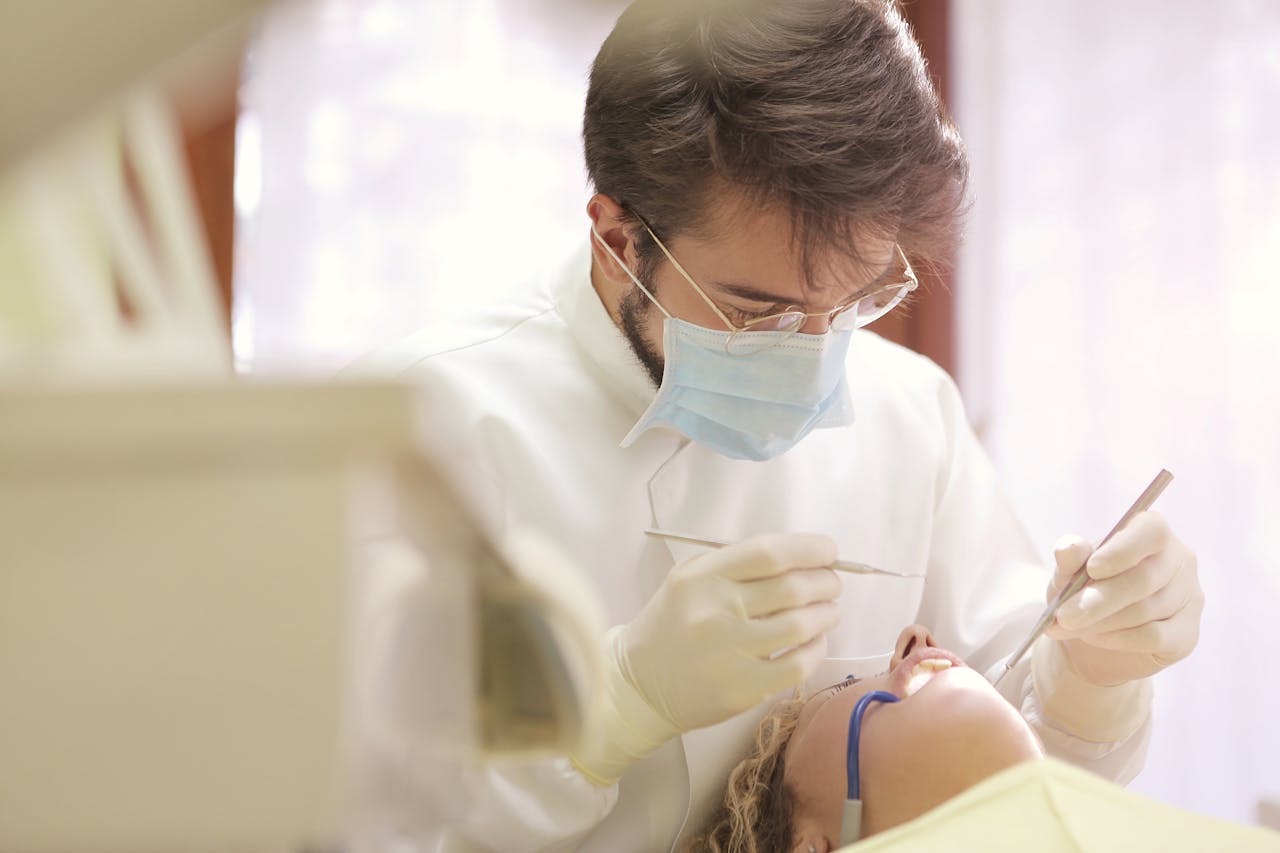
Restorative dentistry plays an essential part in both maintaining oral health and improving overall quality of life; among its benefits is replacing lost teeth. A sophisticated solution available today is dental implants; in this article, we cover all forms of restorative procedures available today with special emphasis placed upon them and an integrative holistic approach that fosters optimal dental wellness.
Understanding the nuances of restorative dental procedures is crucial for both patients and practitioners. Equally important is the visibility of dental practices in the digital space, which can be significantly enhanced by understanding dental SEO costs. By optimizing online presence, dental professionals can reach a broader audience, ensuring that patients are well-informed about the available restorative options tailored to their individual needs.
Overview of Restorative Dental Procedures
Restorative dentistry seeks to restore both the function and appearance of damaged or missing teeth using various treatment modalities like fillings, crowns, bridges, or implants.
- Fillings can help treat cavities caused by tooth decay by restoring their shape and functionality, helping protect against further damage to an individual tooth’s structure and function.
- Crowns provide strength while improving aesthetics in cases of heavily decayed or compromised teeth, providing both support and strength all at the same time. They should only be considered when an initial repair effort fails or when one or more crowns need replacement due to broken roots or decayed edges.
- Bridges are used to fill gaps caused by missing teeth. They consist of one or more artificial teeth anchored securely onto adjacent natural or dental implant crowns.
Dental implants are considered one of the most reliable and natural-looking solutions available today, replacing all aspects of tooth structure including roots – helping preserve jawbone density while upholding facial structures. For residents in the Jacksonville area, the Nuvia Smile dental implant in Jacksonville offers a premier solution that combines reliability with a natural aesthetic.
Detailed Look at Dental Implants
Dental implants consist of three main parts, including
(1) the implant itself (an artificial titanium post implanted into your jawbone);
(2) an abutment that attaches directly to it, and
(3) a crown that serves as the visible part of a tooth.
To begin the process of getting implants placed properly and in optimal health, start with an examination to assess your oral health and bone density levels.
Once an initial assessment is complete, an implant is secured into the jawbone through an osseointegration process and left for several months for it to fuse with bone cells – creating a secure foundation for artificial tooth replacements. After integration has taken place, custom-made crowns may then be attached as final touches of restoration.
Dental implants offer many advantages for replacing missing teeth. From their realistic look and feel to supporting adjacent teeth and maintaining jawbone health, implants provide long-term solutions that traditional methods cannot always match. Learn how to get dental implants covered by medical insurance with these helpful tips.
Factors to Consider Before Selecting Restorative Procedure
Selecting an ideal restorative treatment can involve many considerations. Your dentist should evaluate several variables including overall dental health, condition of jawbone, and personal preferences when making his or her recommendation – for instance, if adequate bone density exists and you prefer longer-term solutions such as dental implants they could be the ideal option.
Other considerations may include the extent of damage or decay, any preexisting health conditions, and lifestyle choices. A dental professional will help determine which option best meets your individual needs and circumstances.
Maintenance and Aftercare
Proper oral hygiene must be maintained to ensure the long-term success of any restorative procedure; dental implants require brushing and flossing daily to avoid plaque build-up and gum disease as well as attending routine dental check-ups to keep both themselves as well as surrounding structures healthy.
Good aftercare practices involve refraining from habits that could damage an implant, like teeth grinding and biting hard objects, to maximize the longevity of restoration while optimizing function. Consult your dentist regarding best aftercare practices so your restoration lasts as long as possible and functions at its peak performance.
Stress Can Affect Oral Health
Stress can significantly impact dental health in subtle yet impactful ways that you might not immediately recognize. Chronic stress has been linked to numerous oral health conditions including bruxism (teeth grinding) and gum disease; its consequences aggravate these problems further, making restorative treatments harder than they need to work effectively.
Stressful conditions may contribute to habits like teeth grinding that damage natural and restored teeth alike while contributing to inflammation and infection that impede healing processes and impact overall oral well-being. Therefore, managing stress effectively is an integral component of maintaining both mental health and dental well-being.
Conclusion
An integrative approach to restorative dental procedures extends far beyond simply selecting the most effective treatments, it involves understanding their advantages and limitations as well as incorporating stress management strategies into daily life. Given how stress has such a dramatic effect on dental health, focusing on both dental care and stress reduction will increase effectiveness and support the longevity and effectiveness of restorative procedures.