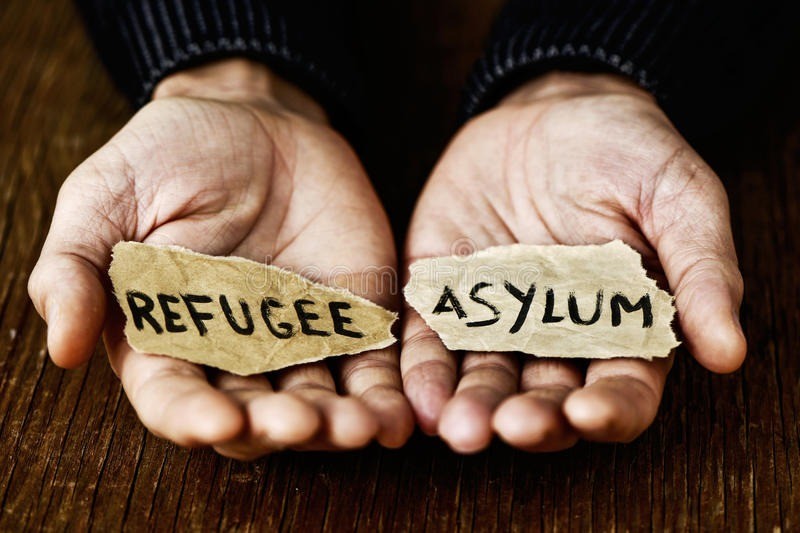
In a world where conflicts, persecution, and human rights abuses are pervasive, asylum and refugee protection lawyers play a crucial role in upholding justice and ensuring the protection of those who seek safety and a new beginning. These legal professionals specialize in helping individuals navigate the complex and often daunting asylum process, advocating for their rights and ensuring they receive the protection they need. This article delves into the vital functions of asylum and refugee protection lawyers, the challenges they face, and the impact they have on their clients’ lives.
Understanding Asylum and Refugee Protection
Before exploring the role of these lawyers, it is essential to understand the context in which they work. Asylum seekers are individuals who have fled their home country due to fear of persecution based on race, religion, nationality, political opinion, or membership in a particular social group. They seek refuge in another country where they hope to be granted asylum, a form of international protection that allows them to stay in the host country and eventually pursue permanent residency.
Refugee protection, on the other hand, involves safeguarding individuals who have been forced to flee their home country due to armed conflict, widespread violence, or human rights violations. Unlike asylum seekers, refugees have been granted protection under international law and are often resettled in a third country. The distinction between the two can be nuanced, but both groups are entitled to legal protections and support.
The Role of Asylum and Refugee Protection Lawyers
Asylum and refugee protection lawyers are specialized attorneys who provide legal assistance to individuals seeking asylum or refugee status. Their roles are multifaceted and critical to the success of their clients’ cases. Here are some of the key functions these lawyers perform:
- Legal Representation and Advocacy: Asylum and refugee protection lawyers represent their clients in legal proceedings, including interviews, hearings, and appeals. They help clients prepare and present their cases, ensuring that all relevant evidence is submitted and that the client’s story is communicated effectively. This representation is vital, as the asylum and refugee application processes can be highly complex and intimidating.
- Counseling and Guidance: Navigating the asylum process can be overwhelming for individuals who may already be dealing with trauma and uncertainty. Lawyers provide essential counseling and support, helping clients understand their rights, the legal process, and the requirements for a successful application. This guidance helps clients make informed decisions and reduces the stress associated with their cases.
- Documentation and Evidence Gathering: Successful asylum and refugee claims often rely on detailed and accurate documentation. Lawyers assist clients in gathering and organizing evidence to support their claims, such as affidavits, medical records, country condition reports, and witness statements. They also help clients prepare for interviews and hearings, ensuring they present their cases coherently and persuasively.
- Appeals and Legal Challenges: In cases where asylum claims are denied or challenged, lawyers play a crucial role in filing appeals and legal challenges. They review decisions, identify potential errors or issues, and develop strategies to contest unfavorable rulings. This appellate work is essential for ensuring that clients have a fair opportunity to present their cases and obtain the protection they need.
- Advocacy for Policy and Reform: Beyond individual cases, asylum and refugee protection lawyers often engage in advocacy work to influence immigration and asylum policies. They may work with organizations, participate in public campaigns, and contribute to legal reforms aimed at improving the asylum system and protecting the rights of refugees and asylum seekers.
Challenges Faced by Asylum and Refugee Protection Lawyers
The work of asylum and refugee protection lawyers is fraught with challenges, reflecting the broader difficulties within the immigration and asylum systems. Some of the key challenges include:
- Complex and Evolving Legal Landscape: Asylum and refugee laws are subject to frequent changes and vary significantly between countries. Lawyers must stay abreast of evolving legal standards, regulations, and policies to effectively represent their clients. This requires continuous education and adaptation.
- High Caseloads and Limited Resources: Many asylum and refugee protection lawyers work in environments with high caseloads and limited resources. This can impact their ability to provide individualized attention and comprehensive support to each client. The strain on resources can also affect the quality and timeliness of legal representation.
- Trauma and Emotional Toll: Working with clients who have experienced severe trauma and persecution can be emotionally taxing for lawyers. They must balance providing compassionate support with maintaining professional objectivity, which can be challenging given the distressing nature of many cases.
- Hostile Political Environments: In some countries, political climates can be hostile toward asylum seekers and refugees. Lawyers may face opposition and criticism, and their work can become increasingly difficult in such environments. This can also impact their clients, who may face additional barriers to obtaining protection.
The Impact of Asylum and Refugee Protection Lawyers
Despite the challenges, the impact of asylum and refugee protection lawyers is profound and far-reaching. They are instrumental in ensuring that vulnerable individuals have access to justice and protection. Through their advocacy, they not only help clients secure legal status and safety but also contribute to the broader protection of human rights.
For many asylum seekers and refugees, these lawyers provide a lifeline, guiding them through a complex and often daunting process. Their efforts help to uphold the fundamental principle of asylum and refuge—the right to seek safety and rebuild lives free from fear and persecution.
In summary, asylum and refugee protection lawyers are vital champions of human rights, playing a crucial role in navigating the complexities of the asylum and refugee systems. Their dedication, expertise, and advocacy make a significant difference in the lives of individuals seeking safety and a new beginning. As global challenges continue to evolve, their work remains an essential pillar of justice and humanitarian protection.